Software for innovation teams

Drive value across the firm

Benefit from a flexible, AI-enabled platform for easily designing and deploying commercial disputes and other intelligent legal solutions. You’ll enhance collaboration, connect key processes, and deliver meaningful innovation firm-wide.
Opus 2 legal software

Recognised for our innovative legal software

Solution Provider of the Year

Overall Case Management Platform of the Year
Best Legal Solution
Best Product for Law and Legal Services
Top 5% Sustainability Rating
Stevie Gold for Best Legal Solution
Best Cloud BI or Analytics Solution
Award-winning solutions

How can legal innovation teams benefit from our AI-enabled, adaptive software platform?

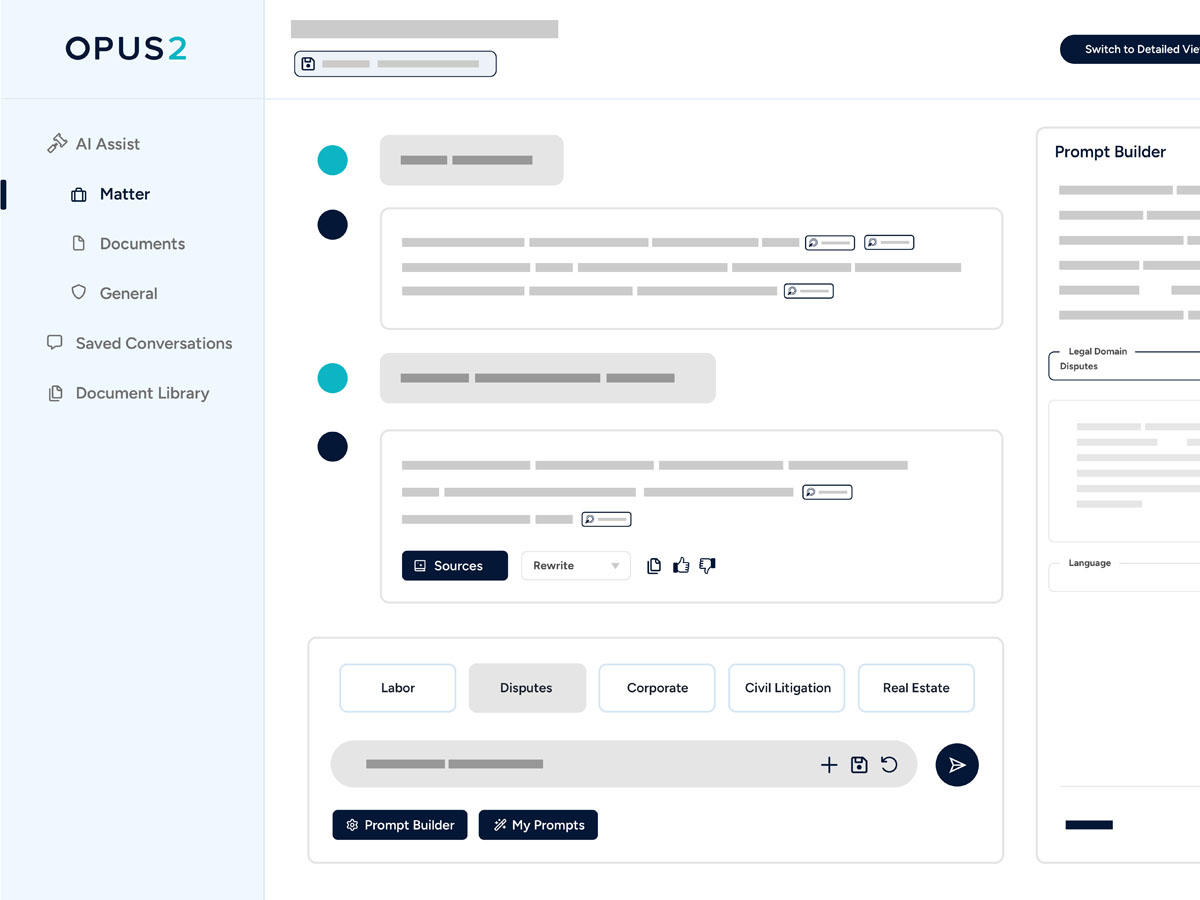
Offer leading AI tools

Offer leading AI tools

You’re under pressure to introduce AI that provides a competitive edge and transforms workflows—while ensuring it aligns with strict firm governance and client contracts. It’s also critical to find AI that doesn’t overpromise and underdeliver.

With Opus 2, you get proven AI capabilities that have been used effectively by leading commercial disputes teams. Because they’re embedded in configurable components, you can extend them across practice areas and workflows.
  • Introduce trusted AI capabilities in one secure, enterprise-ready platform
  • Support lawyers with the most used AI software for litigation management
  • Enable powerful, consistent AI assistance to users across practice groups
  • Strengthen governance while easily expanding AI capabilities firm-wide
Opus 2 legal software
Streamline your tech stack

Build and scale digital solutions using a flexible, AI-enhanced platform

  • Legal innovation teams are asked to modernise workflows, introduce AI responsibly, and support client-facing initiatives across the firm—often with varied requirements and evolving expectations. Opus 2 provides a modern, configurable platform that helps you design and deploy tailored solutions using adaptable, innovative building blocks.

    Whether you’re supporting a practice group, meeting a client request, or developing a firm-wide initiative, we give you the flexibility to shape structured, collaborative environments that users actually want to adopt. You can modify solutions as needs change, extend capabilities across practice areas, and respond to new opportunities with greater speed and consistency.

    Opus 2 originally developed this platform to power our industry-leading commercial disputes solutions, which are where most firms first experience its benefits. But innovation teams also are successfully moving faster and delivering more value by using it to design a range of other intelligent legal solutions across the firm.
opus 2 legal software

Automate legal workflows

While there are many reasons law firms are emphasising innovation more than ever, efficiency remains a key driver. Faster strategy can win cases. Less time spent on lower-value tasks leads to more time spent on higher-value work product.

Clients use Opus 2 to streamline more than 100 workflows related to commercial disputes and have tailored the platform to automate dozens more. With AI-enabled automation, an innovation team can dramatically improve the way their firm works.


  • Opus 2 legal software
    Manage the increased demand for AI and growing complexity of legal work
  • Opus 2 legal software
    Design solutions that drive more connected and efficient ways of working
  • Opus 2 legal software
    Improve processes by automating, accelerating manual tasks with AI
  • Opus 2 legal software
    Simplify delivery and support, consolidating workflows into one platform
Opus 2 legal software

Deliver quick value and ROI

Innovation teams often are asked to demonstrate impact early, even when working with limited resources or shifting priorities. With Opus 2, you can design and deliver solutions faster using our platform’s flexible, easily configurable components.

This allows you to prototype quickly, respond to stakeholder needs faster, and iterate based on user feedback. And as solutions gain traction, you can scale them across practice areas or redeploy them for new use cases.


  • Opus 2 legal software
    Enable a more unified, strategic, and efficient approach to introducing innovation
  • opus 2 legal software
    Quickly launch pilots and proofs of concept to help your firm win new business
  • Opus 2 legal software
    Deliver solutions in days or weeks—not months—and iterate rapidly based on usage
  • Opus 2 legal software
    Support projects responsively, building stronger relationships with key stakeholders
Opus 2 legal software

How does Opus 2 solve the issues that
matter most to legal innovation teams?

  • opus 2 legal software opus 2 legal software
    Challenge
  • solved puzzle icon in dark blue. opus 2 legal software
    Solution
  • Growing demand for firm-wide, adaptable solutions
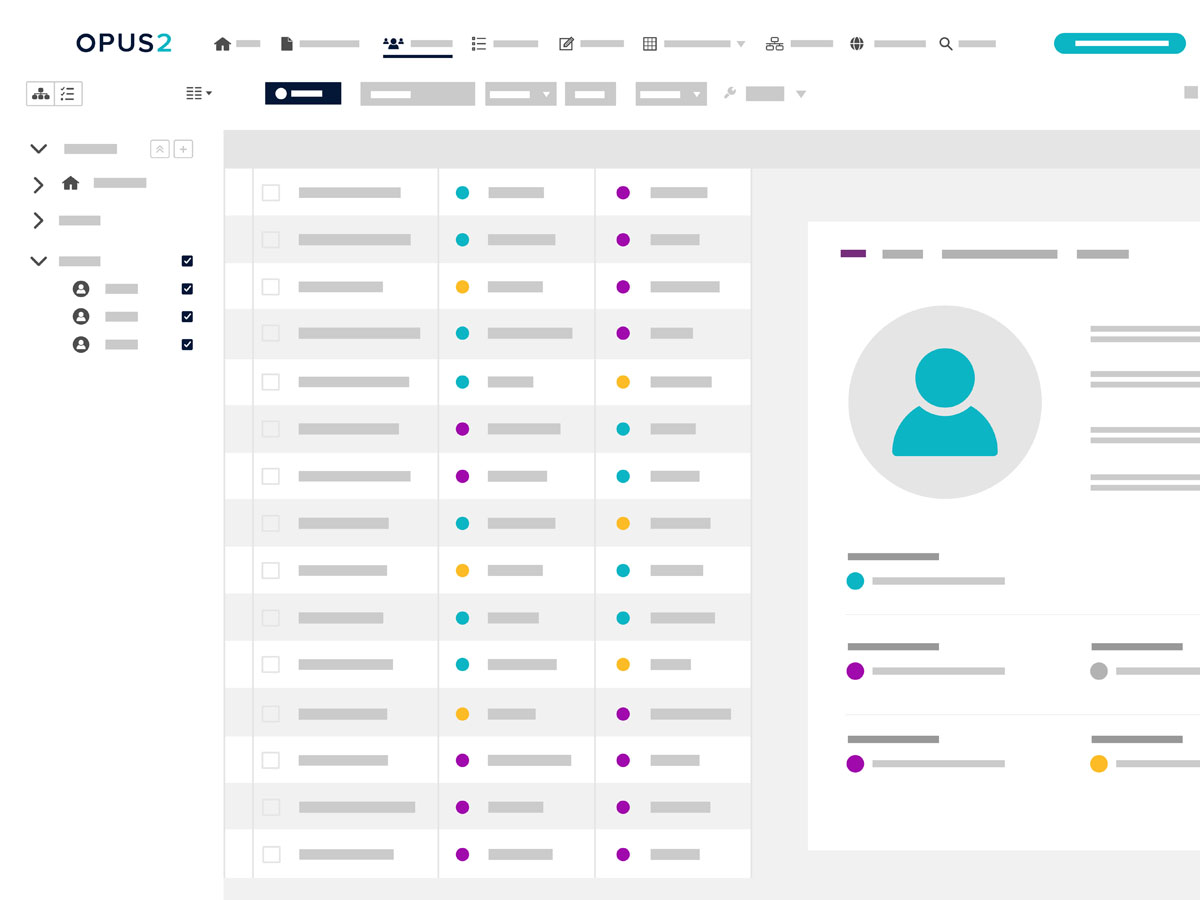
  • Innovation teams face constant requests from different practice groups, each needing tailored digital experiences for internal work, client engagement, or matter management. Supporting varied requirements across the firm is difficult without a flexible, reusable platform.
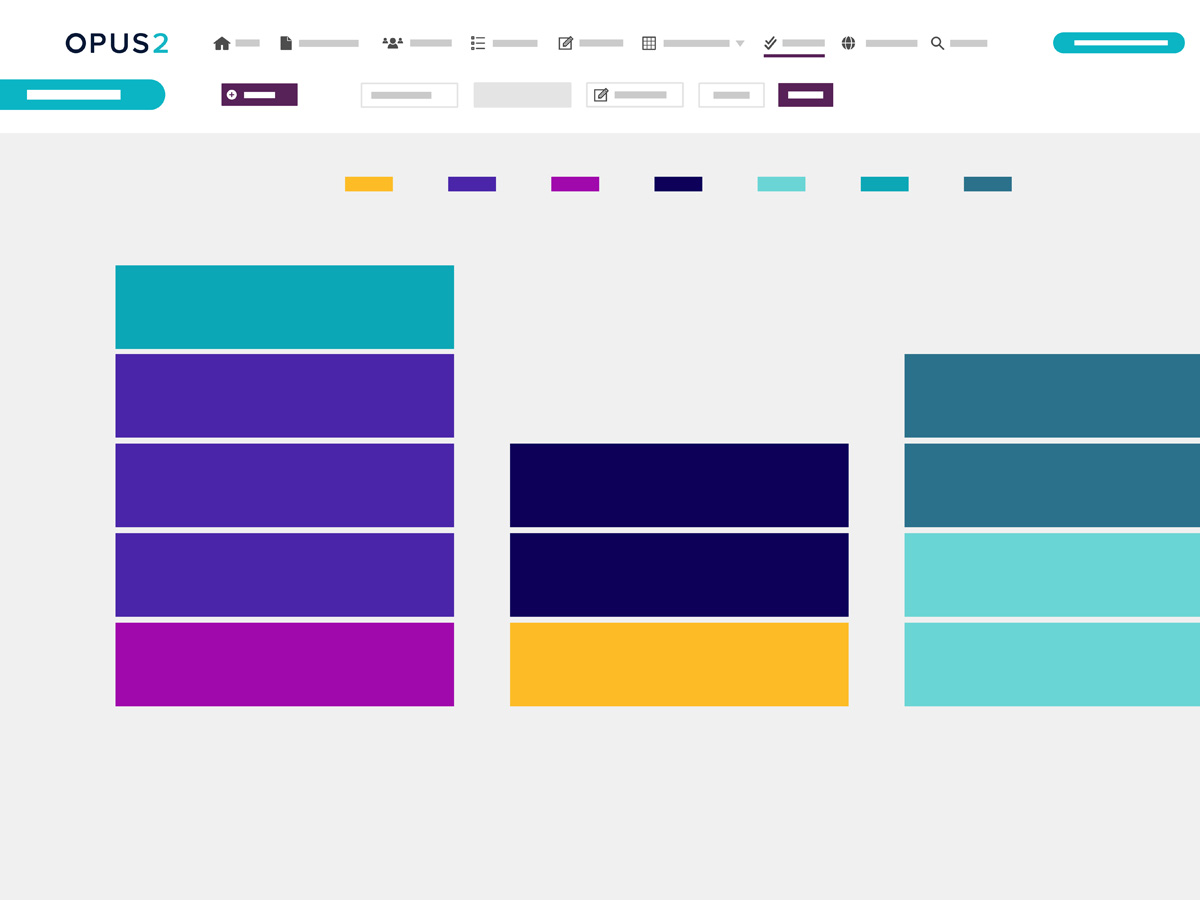
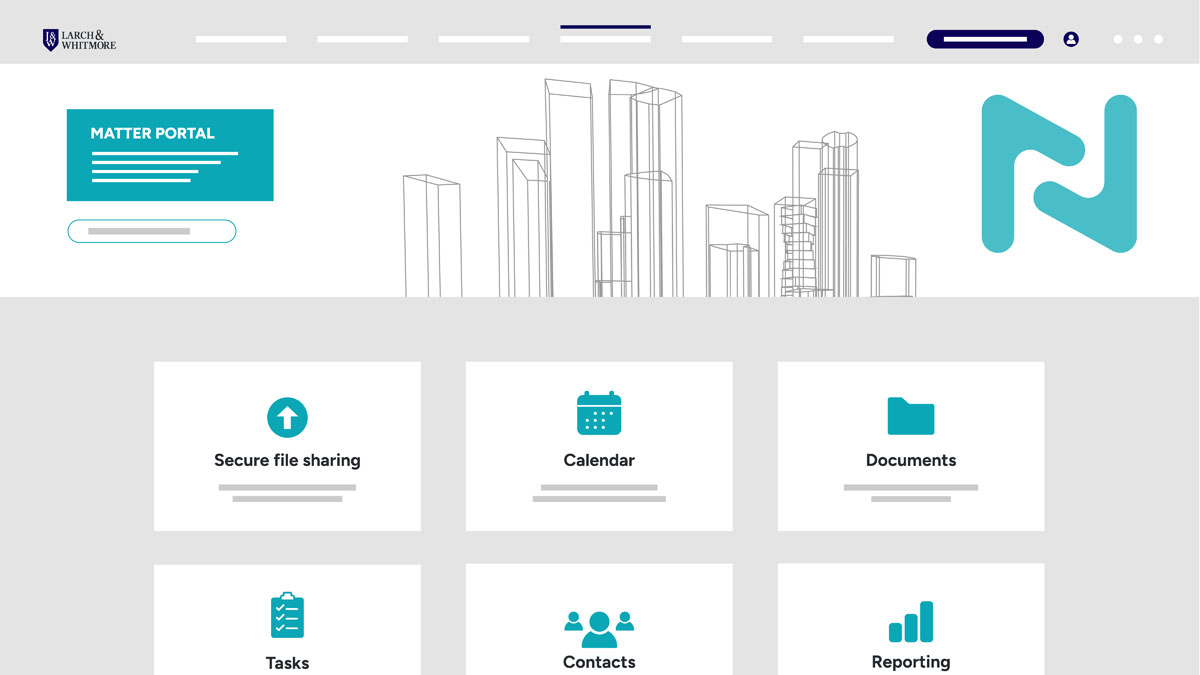
  • Opus 2 provides configurable building blocks that can be shaped into workspaces, portals, dashboards, and structured environments. You can design and adapt solutions quickly, supporting a wide range of practice and client needs without starting from scratch each time.
  • Inconsistent workflows across teams and tools
  • When different groups use separate applications or local workarounds, processes become fragmented and difficult to standardise. This inconsistency makes it harder to drive adoption and scale innovation across the firm.
  • Opus 2 brings core workflows into a single platform, enabling more consistent, connected ways of working. Reusable components let you establish standard approaches while still providing flexibility for practice-specific requirements.
  • Pressure to demonstrate value quickly
  • Innovation teams are expected to deliver results at pace, often with limited resources and shifting priorities. Long development cycles or heavy implementation requirements slow progress and delay firm-wide impact.
  • Opus 2 enables faster delivery with ready-to-configure components that can be assembled into usable solutions. You can prototype quickly, refine based on feedback, and scale successful approaches across practice groups to show early and ongoing value.
  • Managing a fragmented tech stack
  • Supporting multiple single-purpose tools increases complexity, creates inconsistent experiences for lawyers and clients, and makes it difficult to maintain clarity on what should be used when.
  • Opus 2 provides a unified platform that supports diverse workflows, reducing reliance on separate tools. By consolidating key processes into one environment, you can improve user experience, simplify support efforts, and strengthen the firm’s overall technology strategy.
reviews

What legal innovators are
saying about Opus 2 software

innovation Success

Strengthening a client relationship. Creating lasting value.

Using Opus 2 to deliver a rapid response to a single, urgent client need has grown into an intelligent legal solution that now supports the client’s ongoing compliance, training, and reporting efforts.
Opus 2 legal software

Frequently asked questions

Is Opus 2 difficult for innovation teams to configure?

No. Opus 2’s configurable, intelligent legal solution platform empowers innovation teams to shape workspaces, portals, dashboards, and structured environments using familiar building blocks, making it straightforward to deliver tailored solutions across different practice groups.

Can Opus 2 support workflows beyond commercial disputes?

Yes. While widely used in commercial disputes, Opus 2 is a flexible platform that can support a broad range of internal and client-facing workflows. Use cases include client collaboration, intake, knowledge spaces, portfolio management, due diligence environments, transaction management, cross-practice templates, and portfolio-level oversight.

How does AI enhance what innovation teams can deliver?

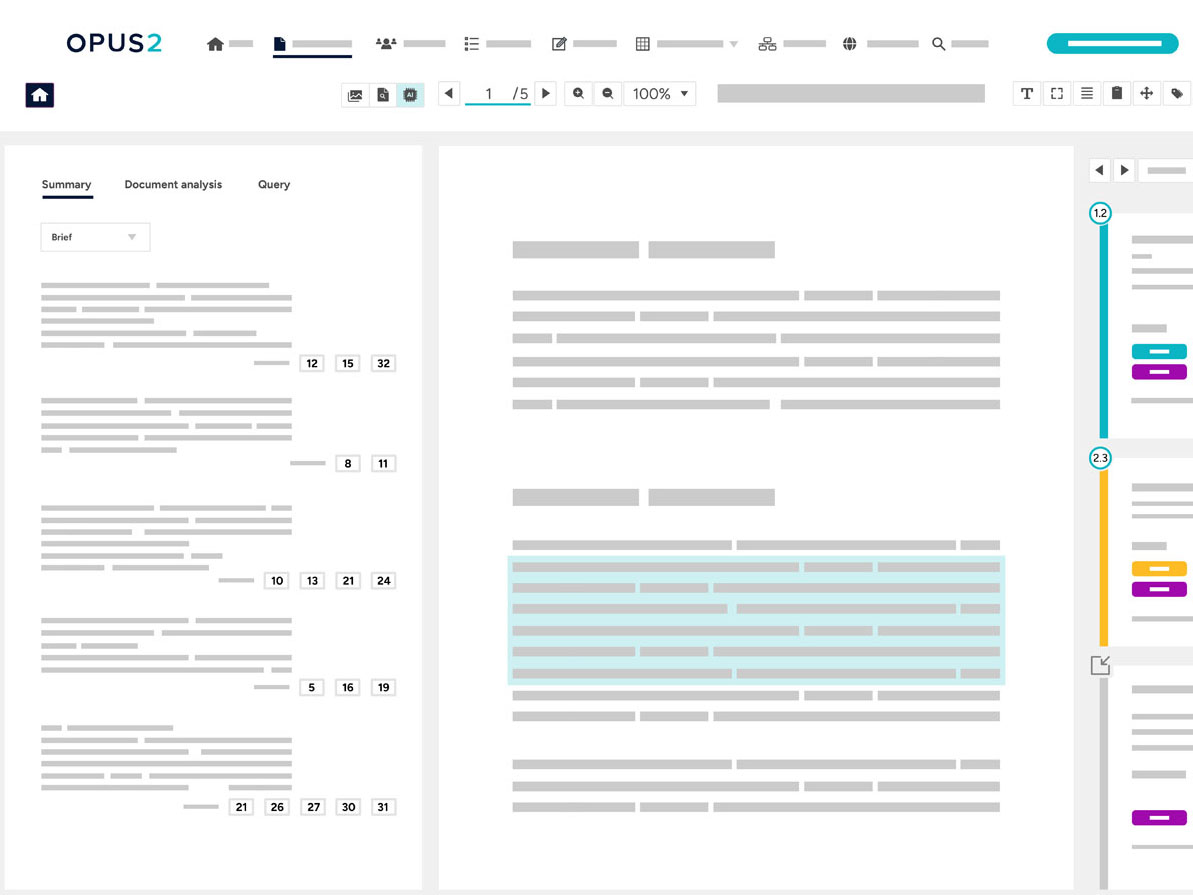
AI in Opus 2 helps users surface relevant information more quickly, reducing the manual effort required during review and analysis. By embedding AI into configurable components, innovation teams can offer practical, well-governed AI capabilities across a wider range of workflows without disrupting established processes.

Does Opus 2 reduce the number of tools our firm needs?

Yes. Opus 2 consolidates workflows by bringing multiple use cases into a single platform. Many firms find they rely less on separate point solutions after introducing Opus 2, leading to more consistent user experiences and simpler support requirements.

How does Opus 2 support firm-wide innovation initiatives?

Opus 2 provides innovation teams with a reusable set of components that can be adapted to different matters, clients, and practice needs. Teams can deliver new solutions faster, scale successful approaches, and support broader technology strategies focused on consistency and connected workflows.

Is Opus 2 suitable for client-facing use cases?

Yes. With configurable portals and collaborative workspaces, Opus 2 supports a range of client-facing applications, including shared review environments, structured communication spaces, and branded portals for document exchange and project work. Customers are using the platform to demonstrate solutions to their clients that win business fand generate revenue for them.

What level of IT involvement is required?

Opus 2 is designed to enable innovation teams to configure and manage solutions without a reliance on technical work. IT typically assists with standard activities such as access management, security governance, and system integrations, while innovation teams lead workflow design and rollout.

How long does it take to deploy a new solution?

Implementation timelines vary, but many innovation teams can prototype quickly in days or weeks using configurable components, refine based on feedback, and scale proven approaches across the firm. This supports faster delivery compared with building new tools or managing multiple single-purpose systems.